
Used Cars For Sale: Complete Guide To Finding Quality Pre-Owned Vehicles
Table of Contents
- Types of Used Cars for Sale
- Certified Pre-Owned Vehicles
- Private Seller Listings
- Dealership Used Cars
- How to Search for Used Cars
- Online Marketplaces
- Local Dealership Inventory
- Classified Ads
- Evaluating Used Car Listings
- Vehicle History Reports
- Inspection Guidelines
- Comparing Features and Prices
- Financing Options for Used Cars
- Loan Options
- Leasing Used Cars
- Negotiating the Purchase
- Price Negotiation Strategies
- Trade-In Considerations
- Finalizing the Purchase
- Payment Methods
- Ownership and Maintenance Tips
- Selling or Trading Your Used Car
Buying a used car can save thousands of dollars compared to purchasing new, but the process requires careful planning and research. Smart buyers who understand the market, know how to evaluate listings, and negotiate effectively can find reliable vehicles at excellent prices. The used car market offers everything from budget-friendly options to luxury vehicles at reduced costs.
Finding the right used car involves more than just browsing online listings or visiting dealerships. Buyers need to understand different types of available vehicles, from certified pre-owned cars to private sales. Each option comes with its own benefits and potential risks that affect both price and reliability.
The buying process extends beyond simply choosing a car and handing over money. Successful purchases require proper financing arrangements, thorough inspections, and smart negotiation tactics. Understanding these steps helps buyers avoid common mistakes and ensures they drive away with a vehicle that meets their needs and budget.
Types of Used Cars for Sale
Used car buyers can choose from three main sources when shopping for vehicles. Each option offers different benefits, prices, and levels of protection for buyers.
Certified Pre-Owned Vehicles
Certified pre-owned (CPO) vehicles represent the premium tier of used cars. These cars undergo thorough inspections by manufacturers or authorized dealers before sale.
CPO programs typically require vehicles to be less than 6 years old with under 80,000 miles. Each car passes a multi-point inspection covering engine, transmission, brakes, and electrical systems.
Key Benefits:
- Extended warranty coverage beyond original factory warranty
- Roadside assistance programs
- Vehicle history verification
- Financing rates similar to new cars
CPO vehicles cost more than regular used cars but offer peace of mind. Buyers receive detailed inspection reports and know exactly what repairs were made before sale.
Major automakers like Toyota, Honda, and BMW offer their own CPO programs. Each program has different age and mileage requirements plus varying warranty terms.
Private Seller Listings
Private sellers offer used cars directly to buyers without dealership involvement. These transactions happen between individuals through online platforms, classified ads, or word of mouth.
Private sales often feature lower prices since sellers avoid dealership markups. Buyers can sometimes negotiate directly with owners who know the vehicle's complete history.
Common Challenges:
- No warranty or return policy
- Limited financing options
- Buyers must handle all paperwork
- Higher risk of undisclosed problems
Smart buyers should get independent inspections before purchasing from private sellers. They need to verify clear titles and ensure all liens are properly handled.
Private sellers typically accept cash, certified checks, or buyer-arranged financing. Buyers must register and insure vehicles themselves after purchase.
Dealership Used Cars
Franchised and independent dealers sell the largest volume of used vehicles. These businesses offer various services that private sellers cannot match.
Dealers typically provide limited warranties on used cars. They handle all paperwork, title transfers, and registration processes for buyers.
Dealer Advantages:
- Trade-in options for current vehicles
- Financing assistance and loan arrangements
- Service departments for future repairs
- Return policies (varies by dealer)
Franchised dealers often sell off-lease vehicles and trade-ins from their brand. Independent dealers source cars from auctions, trade-ins, and various other channels.
Dealer prices usually run higher than private sales due to overhead costs and profit margins. However, buyers gain convenience and some level of consumer protection through dealer relationships.
How to Search for Used Cars
Finding the right used car requires knowing where to look and how to compare options effectively. Smart buyers use online platforms, visit local dealers, and check classified listings to find the best deals.
Online Marketplaces
Digital platforms offer the largest selection of used vehicles. Sites like Autotrader, Cars.com, and TrueCar provide access to millions of listings from dealers and private sellers.
These platforms include helpful search filters. Buyers can narrow results by price range, mileage, year, make, and model. Many sites also offer additional tools like affordability calculators and market price comparisons.
Key features to look for:
- Free vehicle history reports
- Price analysis tools
- Dealer reviews and ratings
- Photo galleries and detailed descriptions
Sites like Carfax.com include free vehicle history reports with every listing. This helps buyers avoid cars with accident damage or other problems.
Most platforms allow users to save favorite listings and set up alerts. These alerts notify buyers when new cars matching their criteria become available.
Local Dealership Inventory
Visiting nearby dealerships gives buyers the chance to see cars in person. Most dealers maintain online inventories that show current stock and pricing.
Dealerships often provide warranties and financing options. They also handle paperwork and registration transfers. This makes the buying process simpler for many people.
Benefits of dealer purchases:
- Professional inspections
- Trade-in options
- Financing assistance
- Return policies
Certified pre-owned programs offer additional peace of mind. These vehicles pass detailed inspections and come with extended warranties.
Buyers should visit multiple dealerships to compare prices and selection. Weekend visits often provide access to more sales staff and better service.
Classified Ads
Local newspapers and online classified sites like Craigslist connect buyers directly with private sellers. These sales often offer lower prices since no dealer markup exists.
Private party sales require more caution. Buyers should inspect vehicles carefully and verify ownership documents. Meeting in safe, public locations protects both parties during test drives.
Essential steps for private sales:
- Verify the title is clear
- Request maintenance records
- Arrange independent inspections
- Bring a knowledgeable friend
Facebook Marketplace has become popular for local car sales. The platform shows seller profiles and mutual connections, which adds some security to transactions.
Cash payments work best for private sales. Buyers should arrange financing beforehand through banks or credit unions to know their budget limits.
Evaluating Used Car Listings
Smart buyers check three key areas before buying any used car. They look at the car's past, inspect it carefully, and compare prices across different listings.
Vehicle History Reports
A vehicle history report shows what happened to a car before the current owner bought it. These reports come from companies like Carfax or AutoCheck.
The report tells buyers about accidents, floods, and major repairs. It also shows how many people owned the car before. Cars with fewer owners often have better care.
Key items to check:
- Accident history
- Flood damage
- Number of previous owners
- Service records
- Title problems
Buyers should avoid cars with flood damage or major accidents. These cars often have hidden problems that cost money later. A clean history report means the car is likely safer to buy.
Inspection Guidelines
A good inspection covers the car's body, engine, and interior. Buyers should look at these areas even if the car looks perfect in photos.
Check the paint for rust spots or dents. Look under the car for oil leaks or damage. Test all lights, windows, and electrical parts.
Inspection checklist:
- Tires (even wear patterns)
- Brakes (no grinding sounds)
- Engine fluids
- Interior wear
- All electronics work
Take the car for a test drive on city streets and highways. The car should run smoothly without strange noises. Bring a flashlight to see dark areas better.
Comparing Features and Prices
Different cars have different features and prices. Buyers need to compare similar cars to find the best deal.
Check prices on websites like Kelley Blue Book or Consumer Reports. These sites show what similar cars cost in the area. Cars priced much higher or lower than average need extra attention.
Price comparison factors:
- Mileage
- Year and model
- Condition
- Location
- Features included
Look at least three similar cars before making a decision. This helps buyers know if they are getting a fair price. Cars with low mileage and good condition cost more but may be worth it.
Financing Options for Used Cars
Buyers can choose between traditional loans from banks or credit unions and dealership financing. Leasing used cars is less common but available through some dealers and manufacturers.
Loan Options
Bank and credit union loans often offer the best interest rates for used car purchases. Buyers with good credit can secure rates as low as 4-6% for used vehicles.
Credit unions typically provide lower rates than traditional banks. They also offer more flexible terms for members with average credit scores.
Dealership financing provides convenience but may cost more. Dealers work with multiple lenders to find financing for buyers with different credit situations.
Buy-here-pay-here dealers offer financing to buyers with poor credit. These lots typically require higher down payments and charge interest rates of 15-25%.
Online lenders like banks and finance companies let buyers get pre-approved before shopping. This helps buyers know their budget and negotiate better deals.
Down payments for used cars range from $0 to 20% of the purchase price. Larger down payments reduce monthly payments and total interest paid.
Loan terms for used cars typically range from 36 to 72 months. Shorter terms mean higher monthly payments but less total interest.
Leasing Used Cars
Certified pre-owned programs from manufacturers sometimes offer lease options on used vehicles. These programs include warranties and vehicle inspections.
Used car leases work differently than new car leases. The residual value calculation becomes more complex with older vehicles.
Lease terms for used cars are typically shorter than new car leases. Most range from 24 to 36 months with lower mileage allowances.
Monthly payments on used car leases are often similar to financing payments. The main benefit is potentially lower repair costs if the vehicle has warranty coverage.
Not all dealers offer used car leasing. Buyers should call ahead to confirm availability and compare total costs with traditional financing options.
Negotiating the Purchase
Smart buyers can save hundreds or thousands of dollars by using the right negotiation tactics. Research and preparation give buyers the upper hand when discussing price and trade-in values.
Price Negotiation Strategies
Research the vehicle's market value before meeting the seller. Check resources like Kelley Blue Book, Edmunds, or AutoTrader to find comparable prices in the area.
Focus on the total purchase price, not monthly payments. Dealers often manipulate monthly payment numbers to hide higher overall costs.
Get financing pre-approved from banks or credit unions. This gives buyers leverage and prevents dealers from marking up interest rates.
Never negotiate multiple items at once. Handle the purchase price, trade-in value, and financing separately to avoid confusion.
Start with a reasonable offer based on research. Aim for 10-15% below the asking price for used cars from dealers, or 5-10% below for private sellers.
Be prepared to walk away if the seller won't meet reasonable terms. This shows serious intent and often leads to better offers.
Timing matters for negotiations. End of the month, quarter, or model year often brings more flexibility from dealers trying to meet sales goals.
Trade-In Considerations
Get the trade-in vehicle appraised independently before visiting dealers. Online tools and local appraisers provide baseline values for comparison.
Negotiate the trade-in value separately from the new car purchase. This prevents dealers from mixing numbers to hide poor trade-in offers.
Consider selling the old car privately instead of trading it in. Private sales typically yield 15-25% more money than dealer trade-ins.
Clean and detail the trade-in vehicle before appraisal. Small improvements like fresh oil changes and tire pressure checks can increase perceived value.
Get multiple trade-in quotes from different dealers if keeping the trade-in route. Values can vary significantly between locations.
Remove personal items and gather all maintenance records. Documentation of regular service increases trade-in value and buyer confidence.
Finalizing the Purchase
The final steps require proper paperwork and secure payment methods. These critical tasks legally transfer ownership and protect both parties from future problems.
Paperwork and Documentation
The title is the most important document in any car sale. The seller must sign the title and fill in the buyer's information completely. Both parties should verify that all information matches exactly.
A bill of sale provides legal proof of the transaction. This document should include the sale price, date, and both parties' contact information. Many states require a bill of sale for registration purposes.
Essential documents include:
- Vehicle title (properly signed)
- Bill of sale
- Odometer disclosure statement
- Warranty documentation (if applicable)
- Maintenance records
The odometer disclosure protects buyers from fraud. Federal law requires this form for vehicles under 10 years old. The seller must state the exact mileage at the time of sale.
Buyers should keep copies of all documents. These papers will be needed for DMV registration and future reference.
Payment Methods
Cash offers the simplest and safest payment method for both parties. It eliminates the risk of bounced checks or payment disputes. Large cash transactions should happen at a bank for security.
Cashier's checks provide security for high-value purchases. Banks guarantee these checks, making them safer than personal checks. The buyer should obtain the cashier's check from their own bank.
Safe payment options:
Cash (for smaller amounts)
Cashier's check
Bank wire transfer
Certified check
Personal checks create risk for sellers. The check could bounce days after the sale. Most experienced sellers avoid personal checks entirely.
Online payment services work for some transactions. However, these platforms offer limited protection for vehicle purchases. Both parties should understand the service's policies before proceeding.
Ownership and Maintenance Tips
New owners must register their used car within 10-30 days of purchase, depending on state requirements. The process requires the vehicle title, bill of sale, and proof of insurance.
Required Documents:
- Vehicle title (properly signed by seller)
- Bill of sale with purchase price
- Valid insurance policy
- Driver's license or ID
- Registration application form
Most states charge registration fees between $25-$100. Additional costs may include title transfer fees, sales tax, and inspection requirements.
Buyers should verify the title is clear of liens before completing the transaction. Any existing loans must be paid off first. The seller must provide a lien release document if applicable.
Some states require emissions testing or safety inspections before registration. Schedule these appointments early to avoid delays. Keep all paperwork in the vehicle after registration is complete.
Routine Maintenance Scheduling
Used cars need more frequent attention than new vehicles. Create a maintenance schedule based on mileage and time intervals to prevent breakdowns.
Essential Monthly Checks:
- Engine oil level and color
- Tire pressure and tread depth
- Brake fluid levels
- Coolant levels
- Battery terminals
Oil changes should occur every 3,000-5,000 miles for older vehicles. High-mileage cars benefit from synthetic blend or high-mileage oil formulas.
Tire rotations every 6,000 miles ensure even wear patterns. Check alignment if the car pulls to one side while driving.
Replace air filters every 12,000 miles or when visibly dirty. Clean filters improve fuel economy and engine performance.
Schedule brake inspections every 15,000 miles. Squealing sounds or soft pedal feel indicate immediate attention is needed.
Selling or Trading Your Used Car
Preparing Your Car for Sale
Clean the car inside and out before showing it to buyers. A detailed wash and vacuum makes the vehicle look well-maintained.
Fix small problems like burnt-out lights or worn windshield wipers. These cheap repairs prevent buyers from thinking bigger issues exist.
Gather all paperwork including the title, maintenance records, and warranty information. Complete documentation builds trust with potential buyers.
Take quality photos from multiple angles if listing online. Good lighting shows the car's true condition.
Get a professional inspection if the car has high mileage. This report can justify the asking price to cautious buyers.
Research the car's value using resources like Kelley Blue Book. Set a realistic price based on the vehicle's actual condition and local market rates.
Choosing Between Selling and Trading In
Private sales typically bring 15-20% more money than trade-ins. Sellers deal directly with buyers and keep all profits.
However, private sales take more time and effort. Owners must handle advertising, phone calls, test drives, and paperwork themselves.
Trading in offers convenience and simplicity. Dealers handle all paperwork and apply the trade value toward a new car purchase immediately.
Trade-ins also provide tax benefits in most states. The trade value reduces the taxable amount on the new car purchase.
Consider a private sale when maximizing profit matters most. Choose trade-in when convenience and time savings are priorities.
The car's condition affects this decision too. High-value cars in excellent condition benefit more from private sales.
Understanding Market Trends
Used car sales increased 8% in August compared to the previous year, with inventory reaching new highs in 2025. Certain models hold their value better than others, while seasonal changes create predictable price patterns throughout the year.
Popular Used Car Models
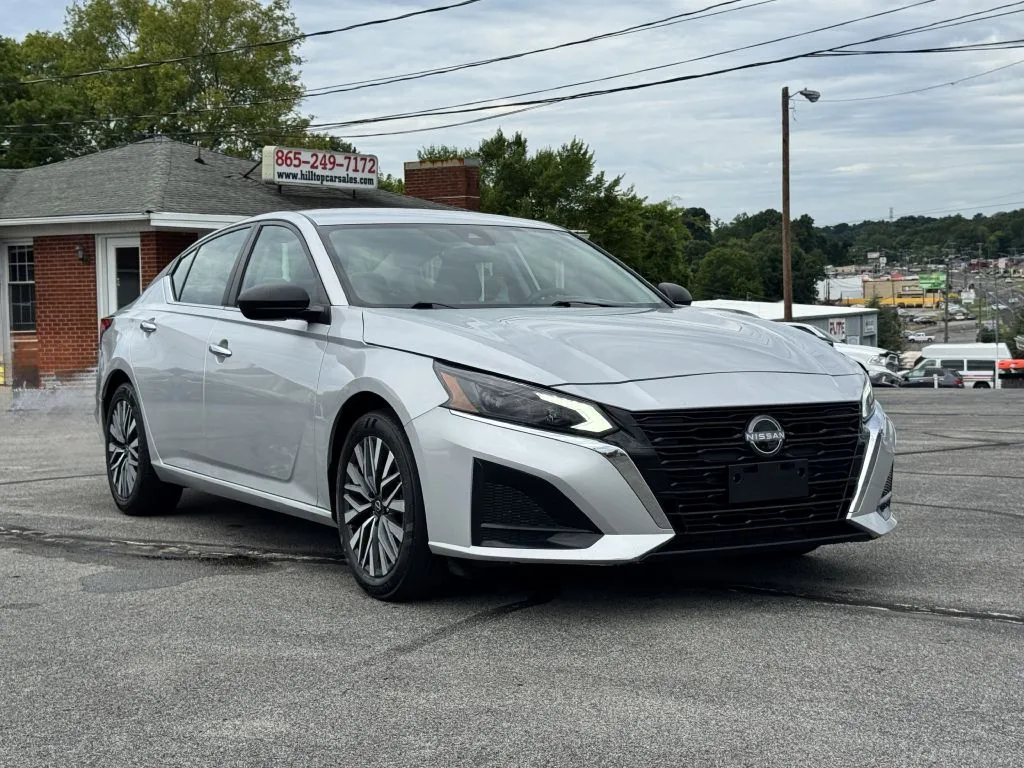
Compact and mid-size sedans remain top choices for budget-conscious buyers. Models like the Honda Civic, Toyota Camry, and Nissan Altima consistently appear in high demand due to their reliability and fuel efficiency.
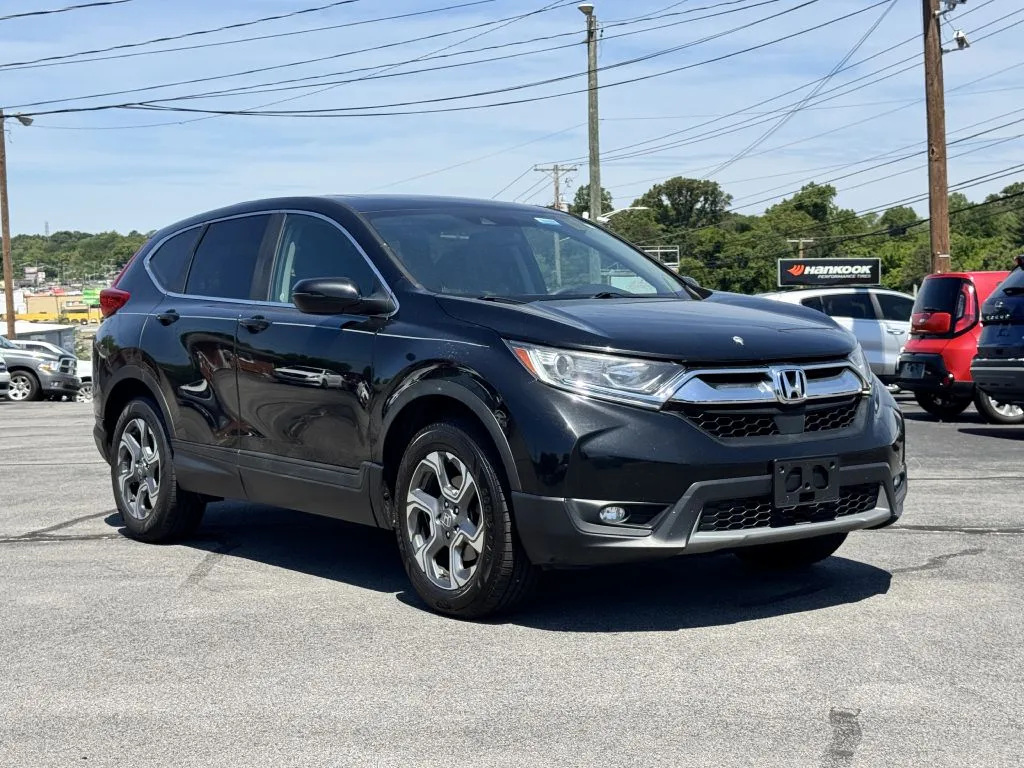
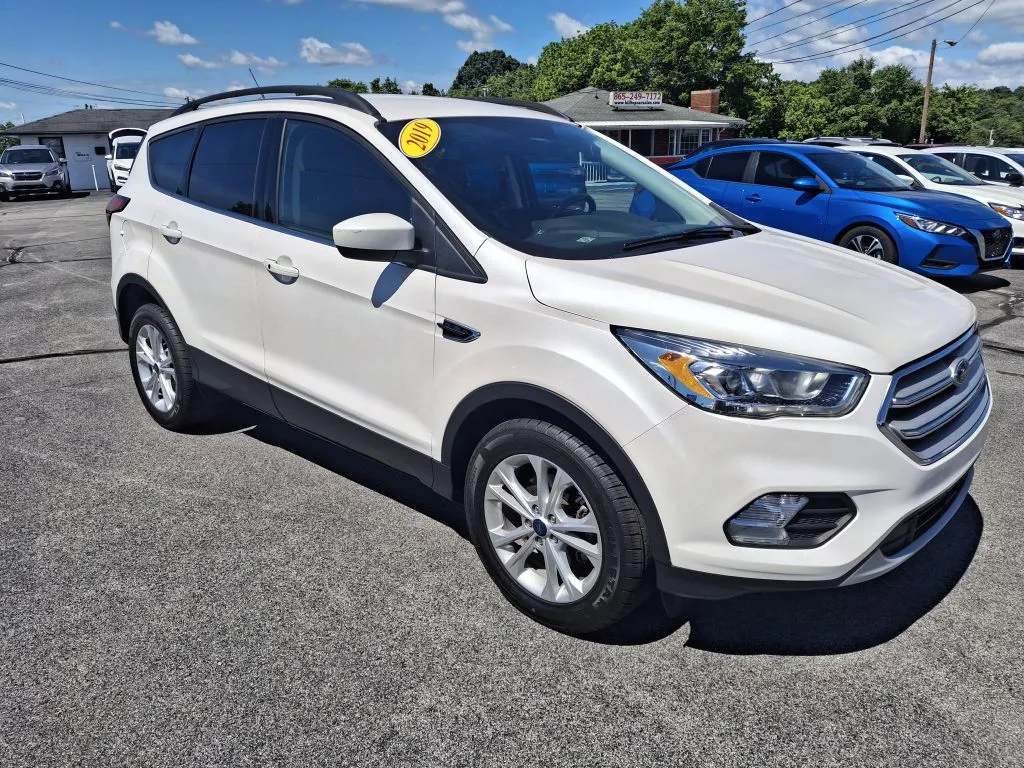
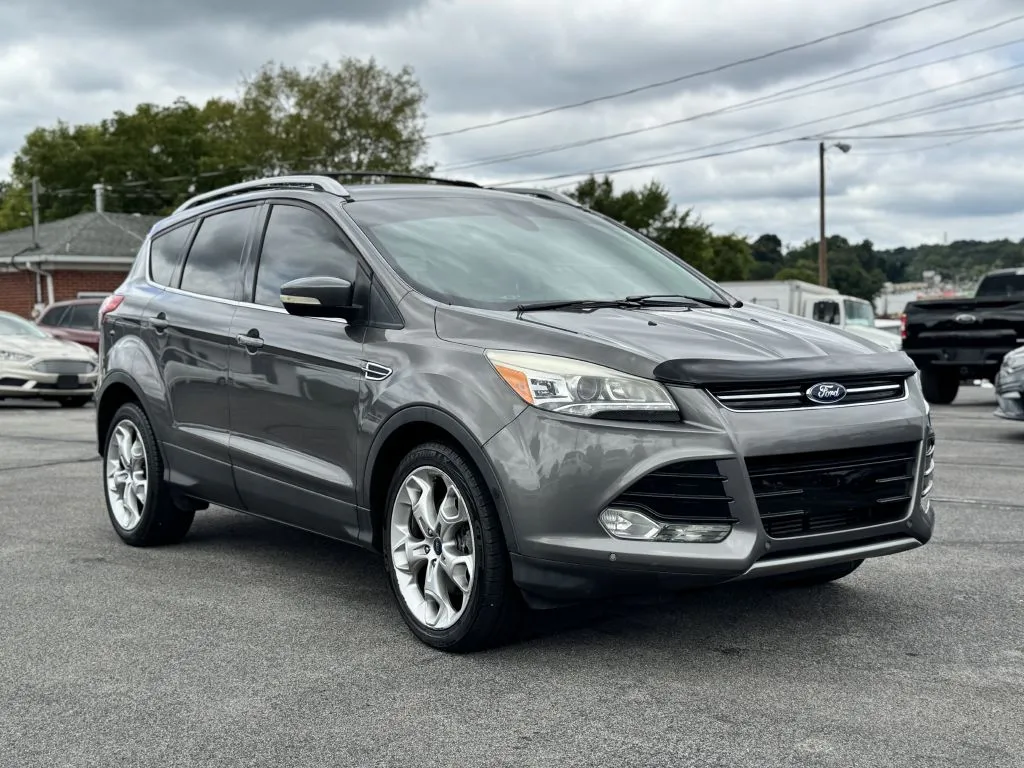
SUVs and crossovers dominate the used market as families seek more space. The Toyota RAV4, Honda CR-V, and Ford Escape maintain strong resale values. These vehicles typically hold 60-65% of their original value after three years.
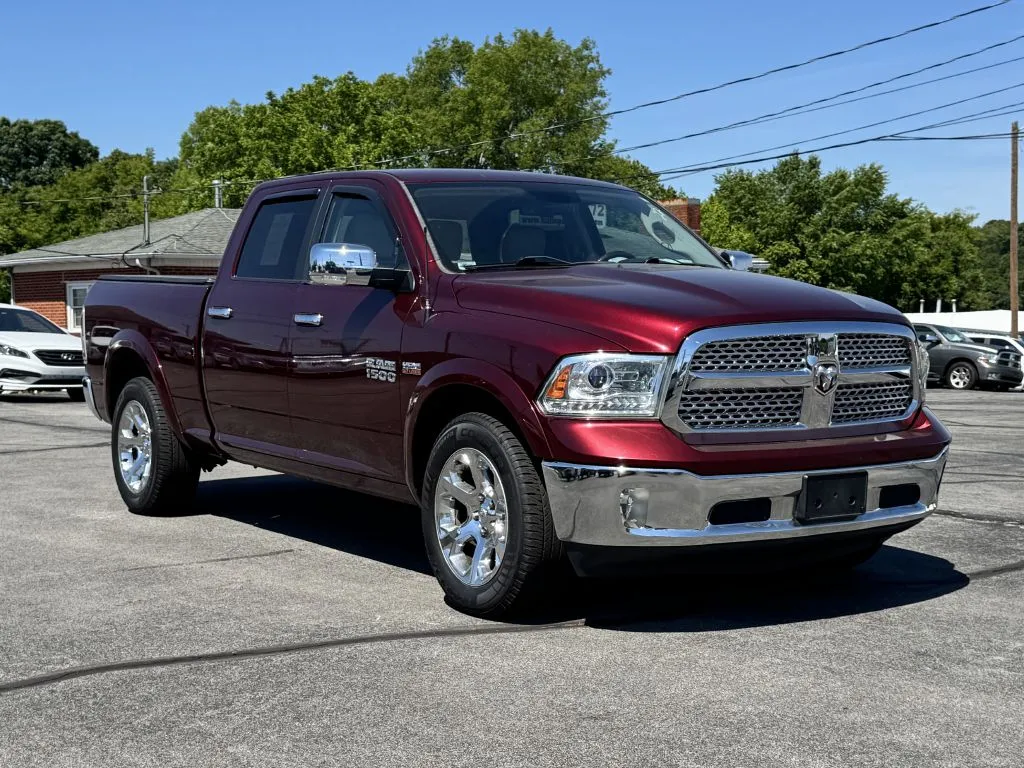
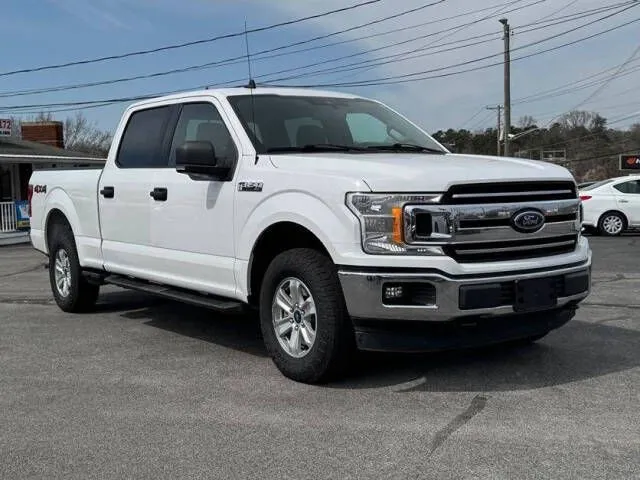
Pickup trucks show exceptional market strength. The Ford F-150, Chevrolet Silverado, and Ram 1500 often retain higher percentages of their original price compared to other vehicle types.
Electric vehicles are gaining traction in the used market. Tesla Model 3 and Model Y lead this segment, though buyers should consider battery life and charging infrastructure availability.
Luxury brands like BMW, Mercedes-Benz, and Audi depreciate faster initially but offer good value for buyers seeking premium features at lower prices.
Seasonal Pricing Factors
Spring and summer months typically see higher used car prices. Increased consumer activity and better weather for car shopping drive demand up between March and August.
Fall prices often peak in September and October. Dealers stock up before winter, and consumers make purchases before harsh weather arrives.
Winter months generally offer the best deals. December through February sees lower demand, forcing dealers to reduce prices. Cold weather makes car shopping less appealing, creating buyer opportunities.
Holiday periods like Thanksgiving and year-end clearances provide additional savings. Dealers need to move inventory before new model years arrive.
Economic factors also influence seasonal patterns. Tax refund season in early spring can boost demand despite typically lower winter prices.